

Anxiety and Mood Disorders
Anxiety and mood disorders are common, human experiences—not personal failures. They can shape how we think, feel, and relate to the world, often narrowing our sense of possibility and pulling us away from the moments and people that matter most. When worry, sadness, irritability, or emotional numbness linger, it can become harder to trust ourselves, enjoy connection, or feel at home in our own lives.
Effective, timely treatment can gently loosen that grip. With the right support, insight, and tools, many people find relief and rediscover a steadier sense of self. Therapy can create space to breathe, to understand what’s happening beneath the surface, and to move forward with intention. As symptoms ease, energy and clarity return—making room for more fulfilling relationships, meaningful work, and a life guided less by fear or heaviness and more by choice, resilience, and hope.
Rapid Resolution Therapy
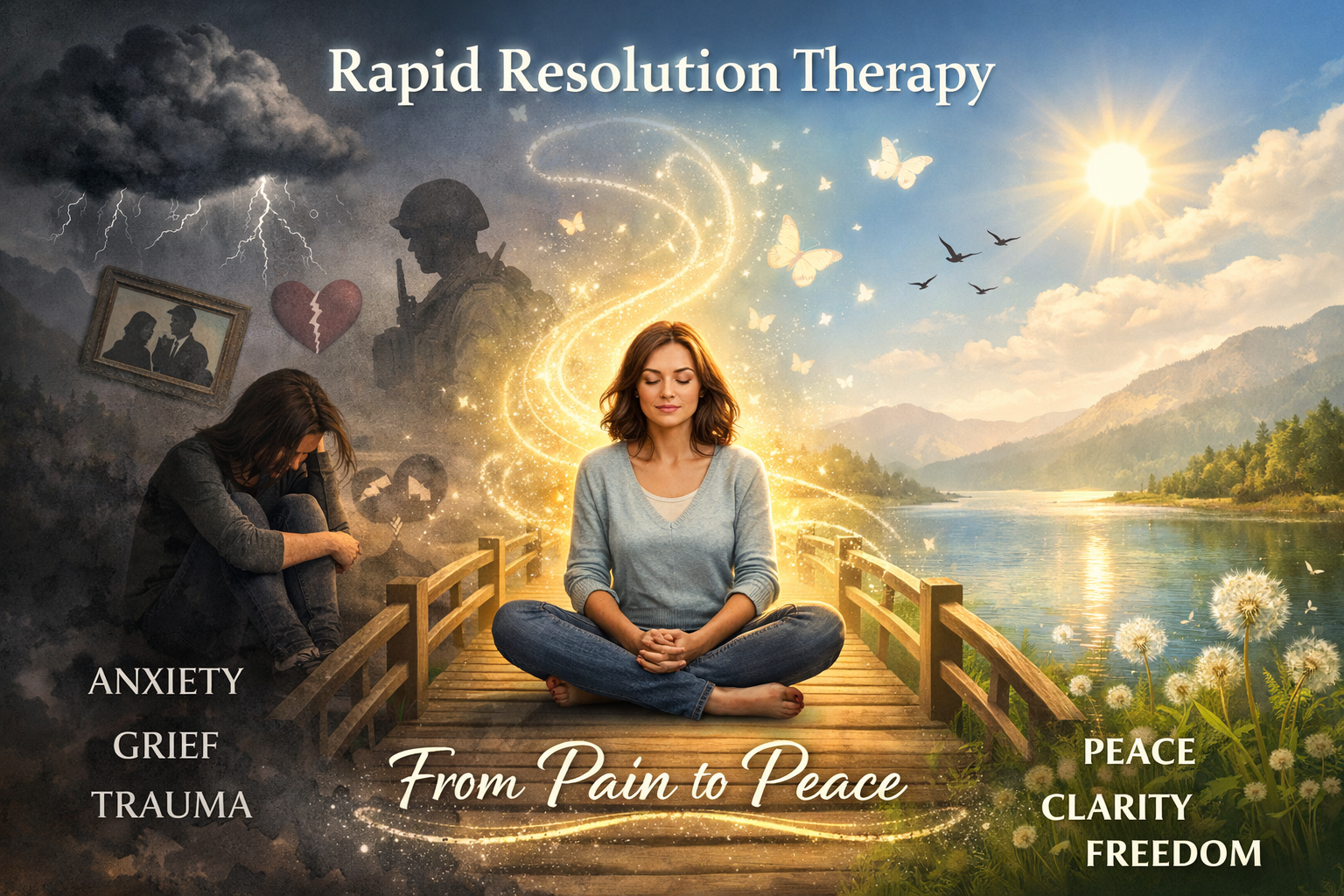
Rapid Resolution is a gentle, neuroscience-informed approach that helps the brain release emotional pain without requiring clients to relive or retell distressing experiences. Instead of focusing on detailed narratives of past events, it works directly with the mind’s natural ability to reorganize and calm itself. By engaging both conscious and subconscious processes, Rapid Resolution allows people to experience relief in a way that feels safe, respectful, and often surprisingly fast. Many describe it as feeling lighter, clearer, and more grounded—without having to open old wounds.
This approach is especially effective for anxiety, grief, and trauma because it targets the emotional “alarm system” rather than just the thoughts surrounding an experience. When the nervous system no longer reacts as if the threat is still present, symptoms such as panic, intrusive memories, emotional heaviness, or chronic tension naturally decrease. Clients often report meaningful shifts in a short period of time, gaining a renewed sense of calm, resilience, and emotional freedom—allowing them to move forward without being defined by what they’ve been through.
Christian Counseling
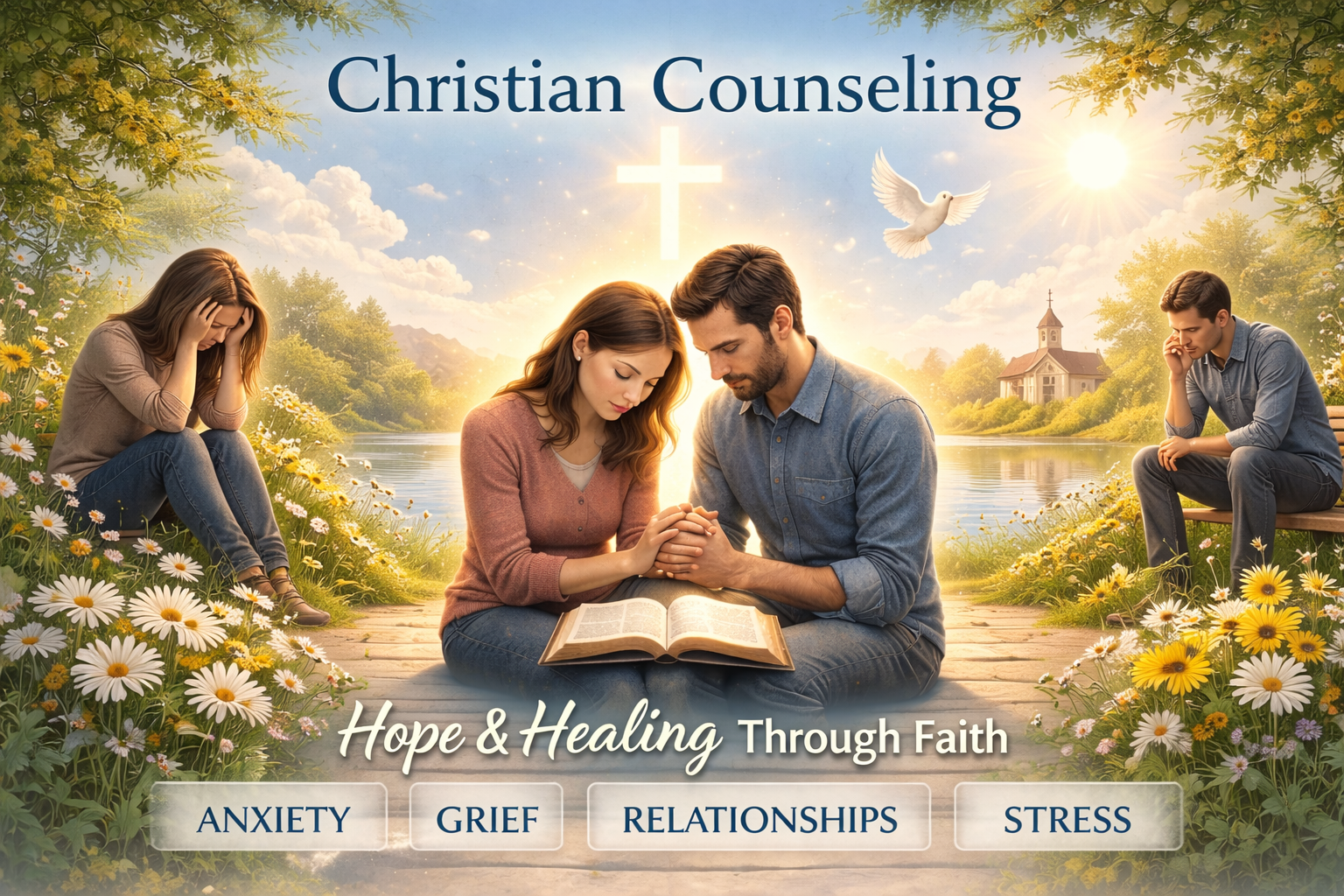
Christian Counseling integrates evidence-based counseling interventions with timeless biblical principles to support emotional, relational, and spiritual healing. Grounded in clinical insight and guided by Scripture, this approach recognizes the whole person—mind, body, and spirit. Clients are invited to explore their struggles within a safe, compassionate space while drawing strength from faith-centered practices such as prayer, reflection, and the application of biblical wisdom. Rather than replacing clinical care, faith is woven thoughtfully into the therapeutic process to promote clarity, hope, and alignment with God’s purpose.
This integrative model is especially effective for addressing anxiety, grief, trauma, and relationship challenges because it offers both practical tools and spiritual grounding. Counseling strategies help regulate emotions, reframe unhelpful patterns, and build resilience, while biblical principles provide meaning, comfort, and moral direction during difficult seasons. Many clients experience not only emotional relief but also renewed peace, deeper faith, and a restored sense of identity—allowing healing to extend beyond symptom reduction into lasting personal and spiritual growth.